Deutsch
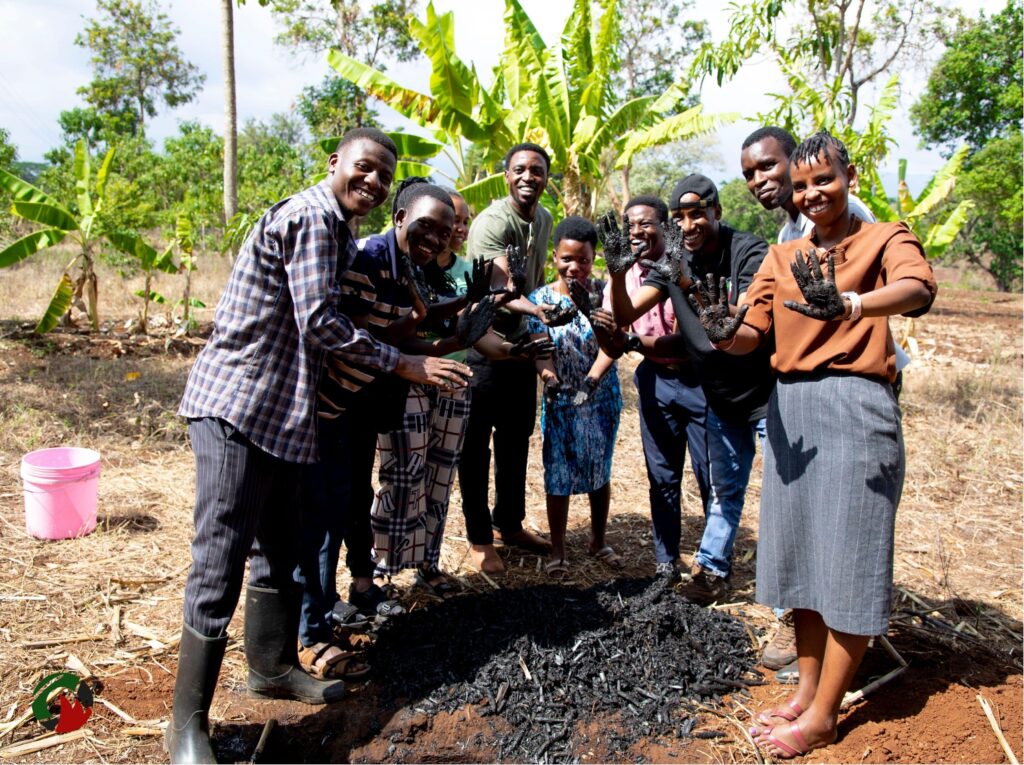
Ⓒ Recycoal
Funding Opportunity
Building a Scalable Biochar Infrastructure in the Nakivale Refugee Settlement
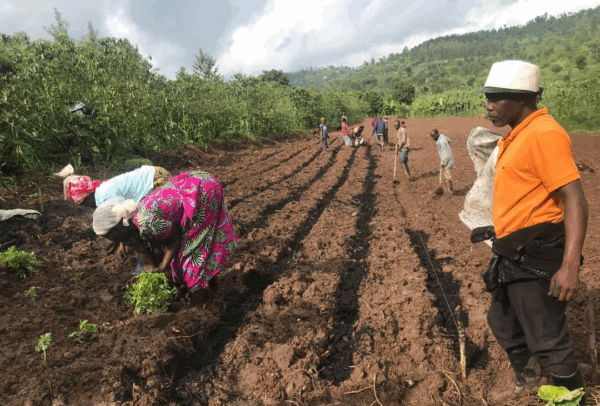
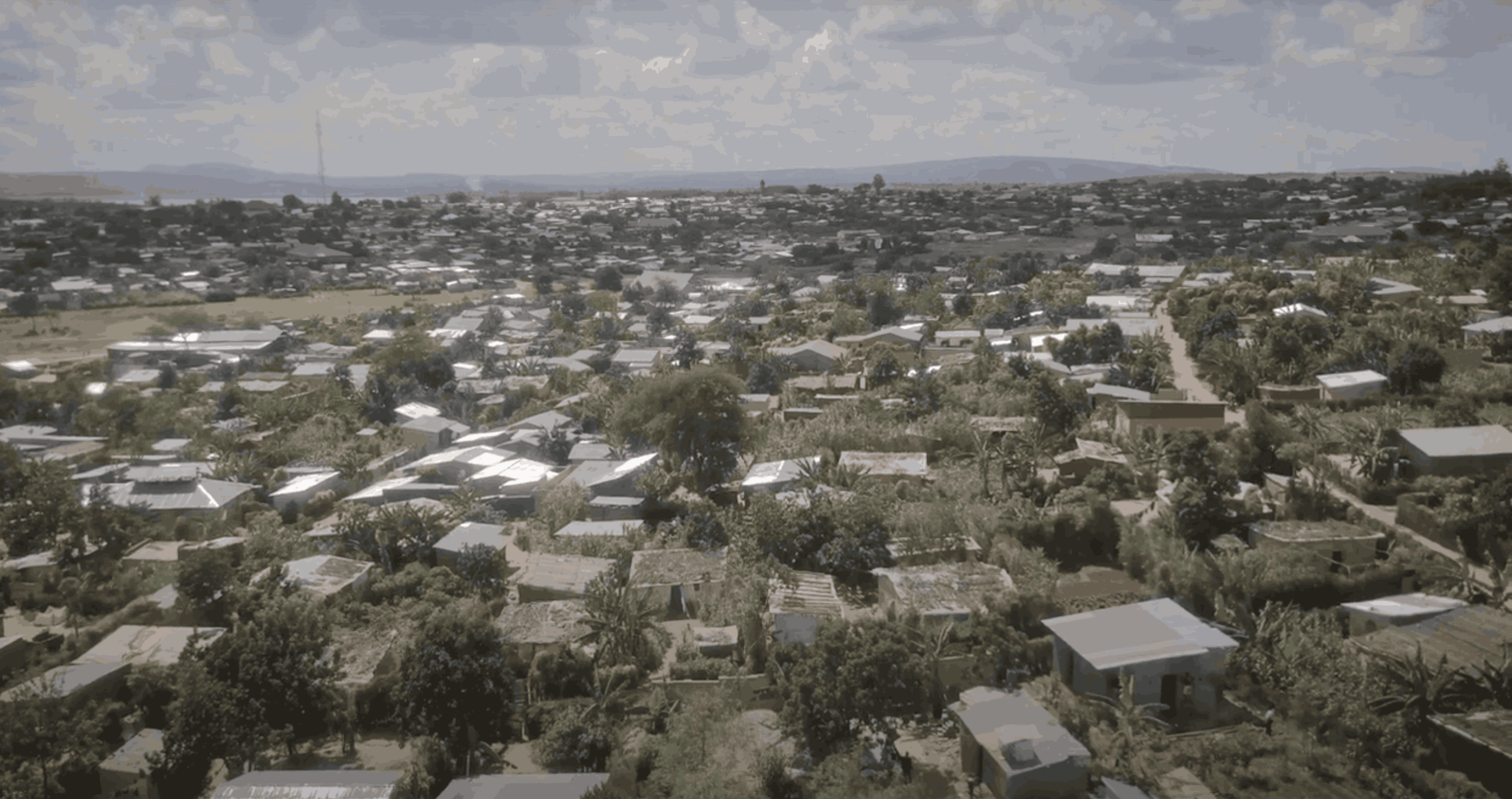
Currently, about 200,000 people live in Nakivale Settlement in Uganda. Many of them are former farmers who had to leave their land and animals behind. In Nakivale, the soils are degraded, and food insecurity is rising. However, despite these challenges, there is immense potential within the community: a wealth of knowledge in regenerative agriculture, waiting to be utilized. Everything has a purpose and a value.
Our Solution: Biochar and Carbon Farming
Together with our partner organization UNIDOS, we want to build a bioeconomy that regenerates soils and removes CO₂ from the atmosphere. In doing so, we counteract global warming and create sustainable incomes for local communities.
What is Biochar and Why is it Important?
Biochar, also known as plant charcoal, is a sustainable method for storing carbon in the soil over the long term. It improves soil quality, increases water retention, and enhances agricultural productivity. Biochar can be produced from agricultural waste such as wood residues, straw, corn cobs, or harvest remains. By producing and applying it as part of the carbon farming process, we aim to improve the soils in Nakivale while increasing long-term carbon sequestration.
Our goal is to work with local people to improve livelihoods, regenerate the environment and create new economic prospects using this method.
Ⓒ UNIDOS, Music: Dance Away (Instrumental) – Remastered by Amarent, Free Music Archive, CC BY
Become part of the Solution: Enable Social Climate Protection
We need your support to make this project a reality. With your help, we can build our first scalable biochar unit in the camp, provide training for local farmers, and create a sustainable income source.
For Companies: Invest in the Black Gold!
Investment and cooperation opportunities:
We are looking for companies, foundations and institutional partners who want to pursue effective sustainable goals, i.e:
Make climate-relevant investments with social impact
Align CSR and ESG goals with specific SDG outcomes (including SDGs 2, 13, 15, and 17)
Support insetting strategies or climate neutrality targets through certified carbon sequestration
Contribute to the development of a social bioeconomy
Be part of the solution, not the polycrisis – shift from polycrises to poly-solutions
We are following the process and guidelines (link) of Carbon Standards International.
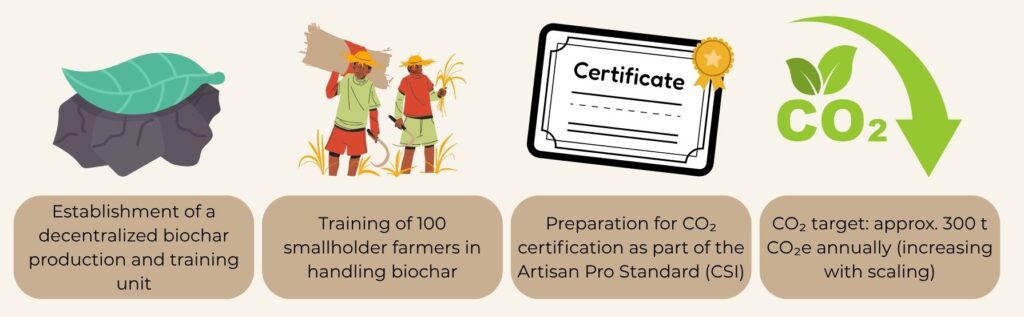
Project Goals
For Individuals: Support Fertile Soils and a Just Future!
Together, we can improve living conditions with the people of Nakivale Refugee Settlement, enhance soil fertility and protect the climate – all at the same time. Your donations will contribute to the development of a biochar facility, educational trainings, finance important equipment and enable the CO₂ certification.
Regeneration needs People like You!
Recent Impressions of
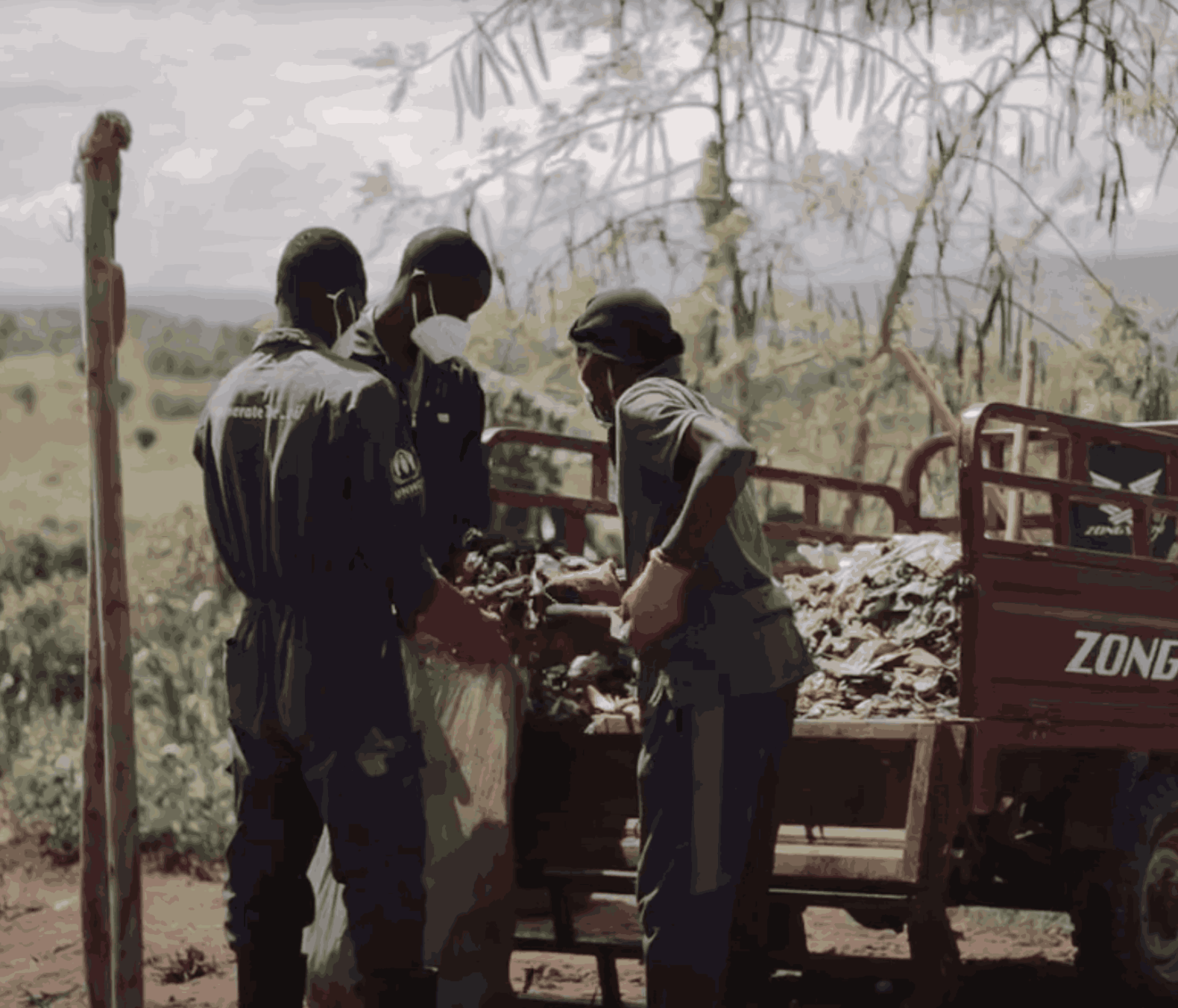
Biochar Production in Nakivale
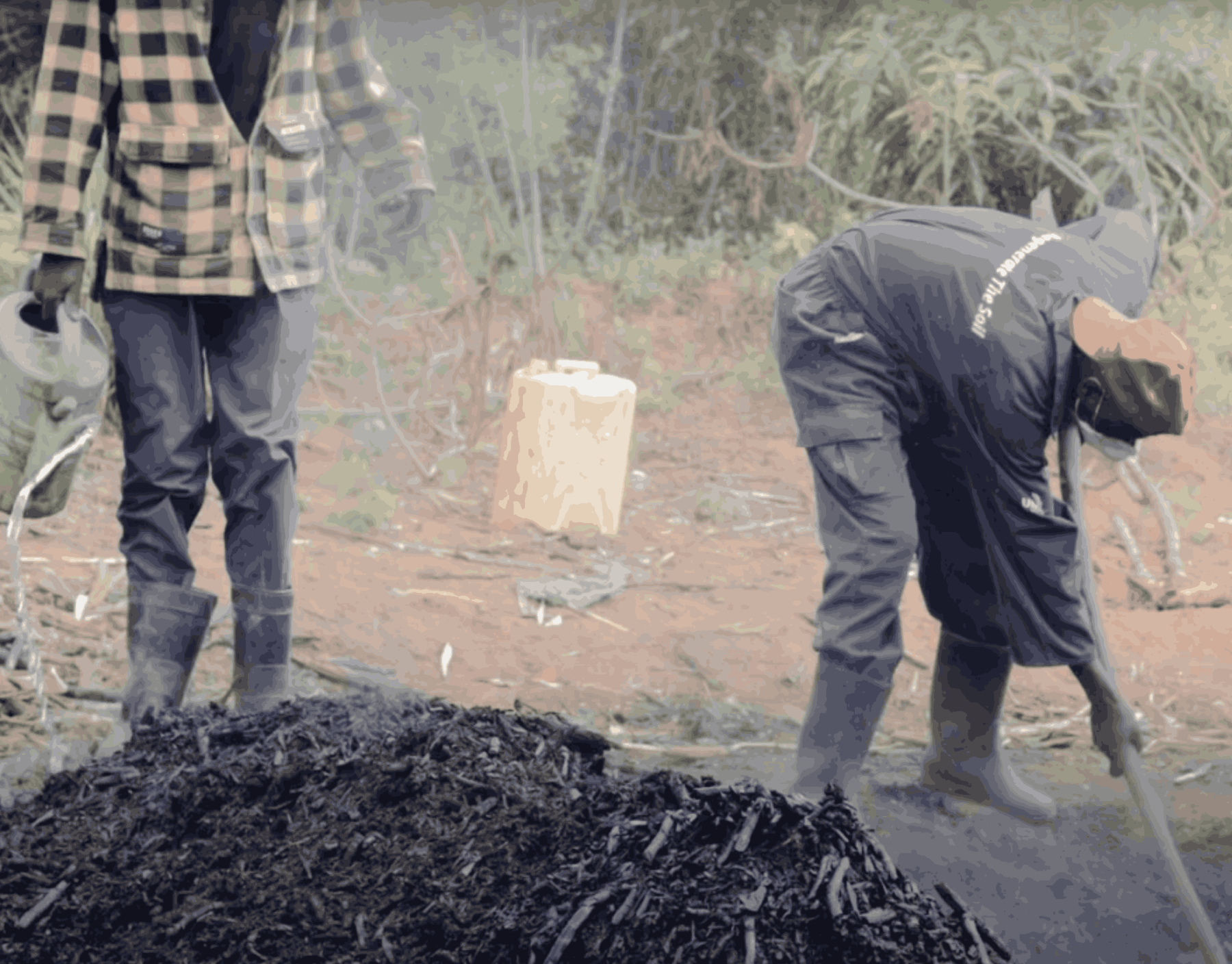
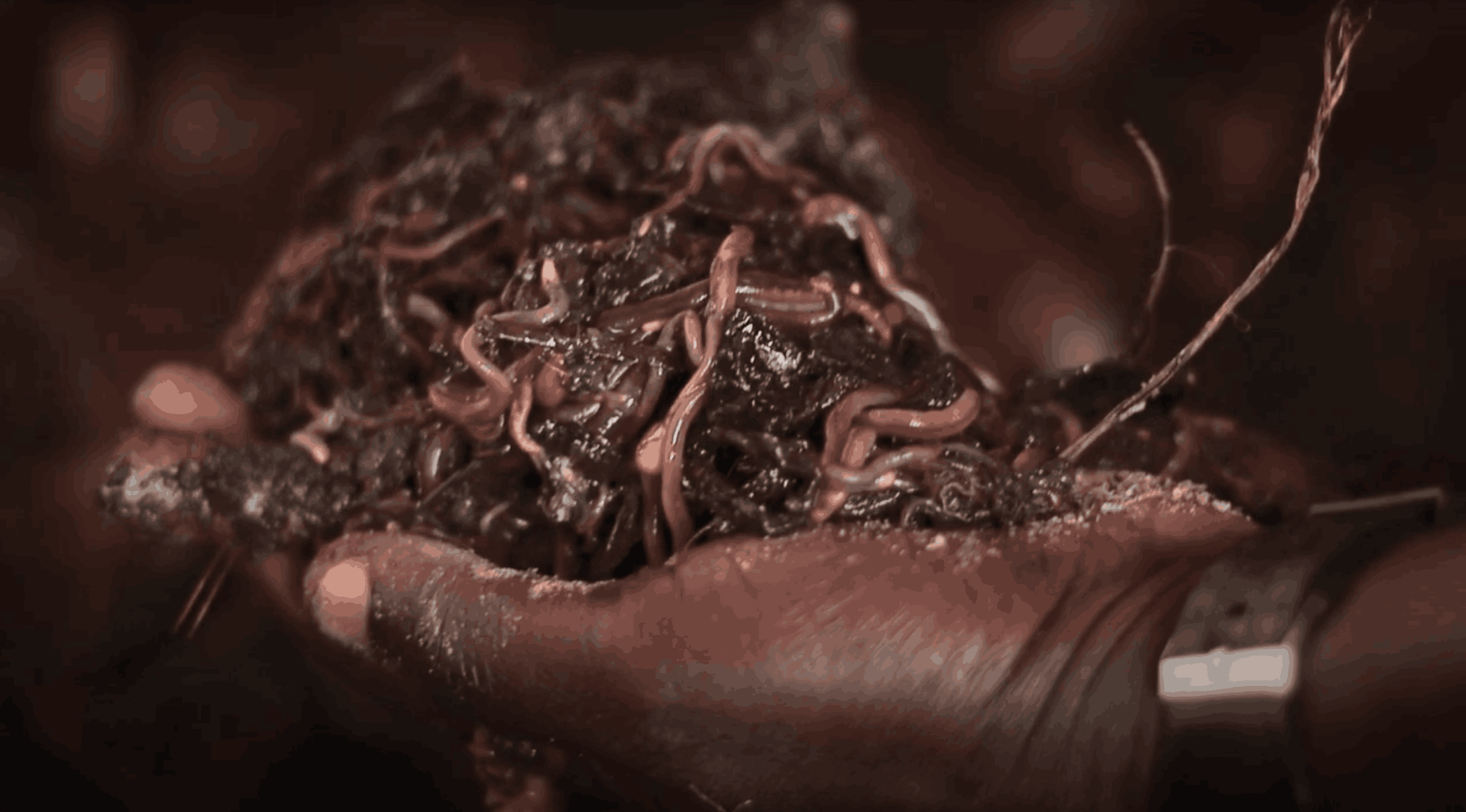
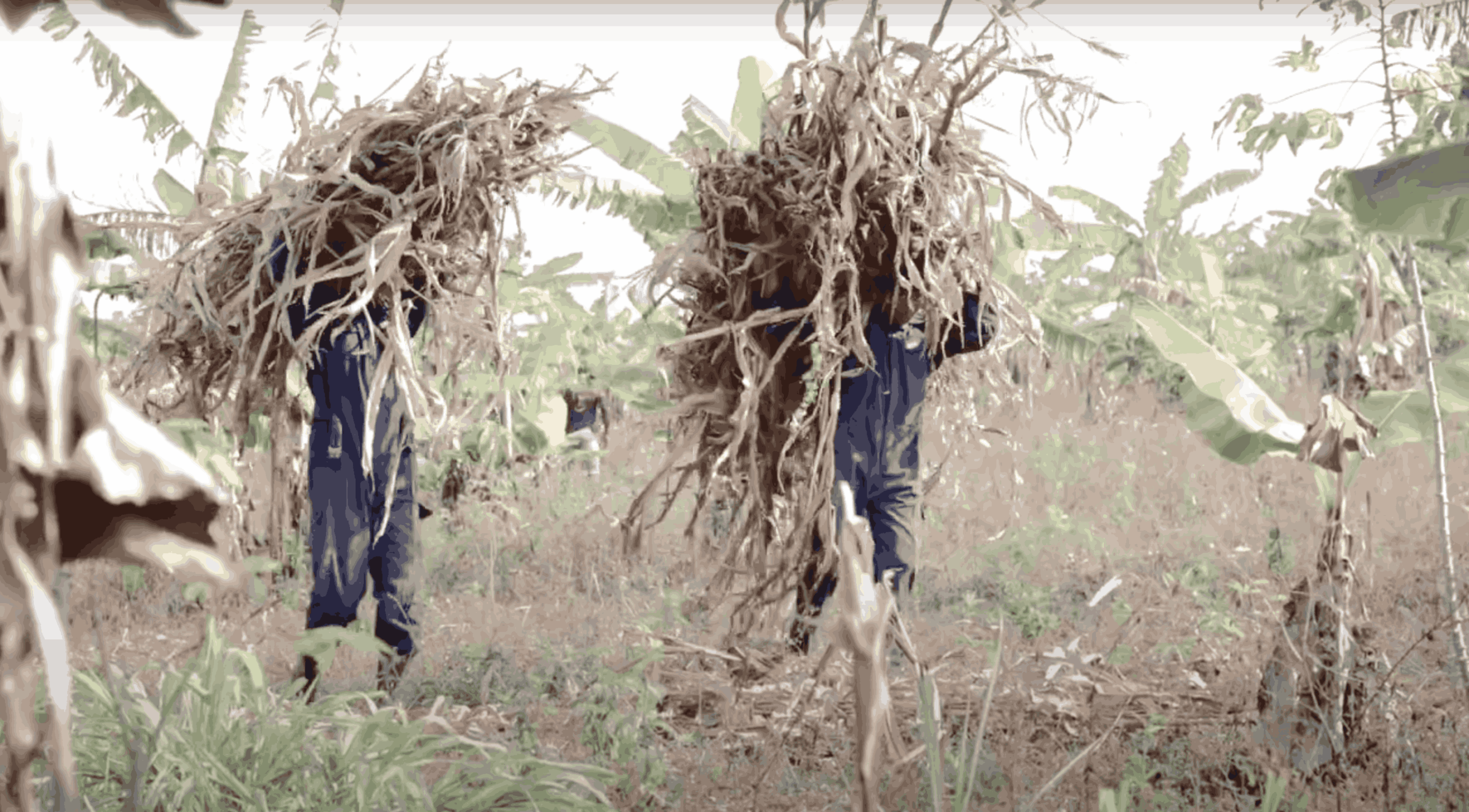
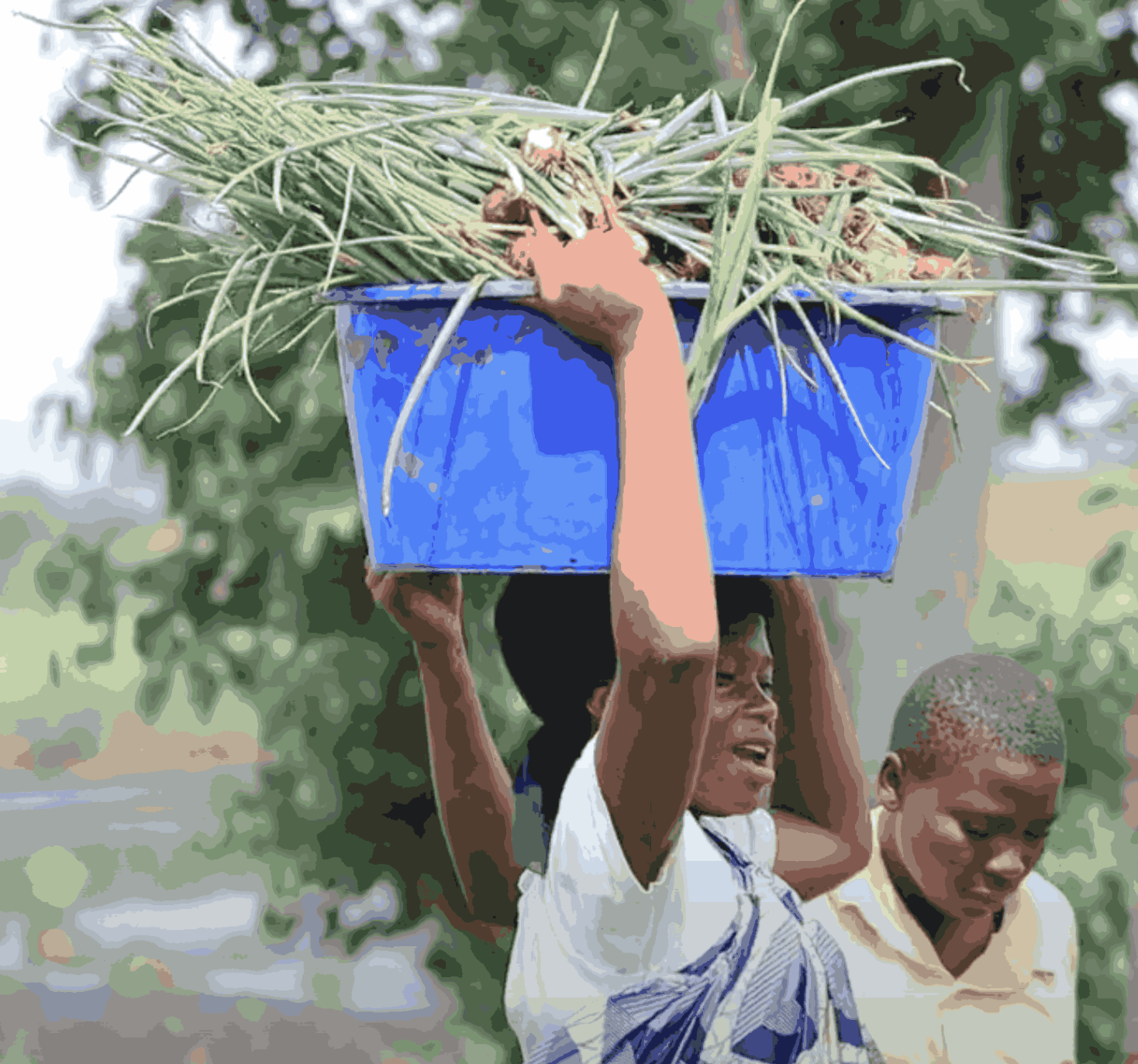
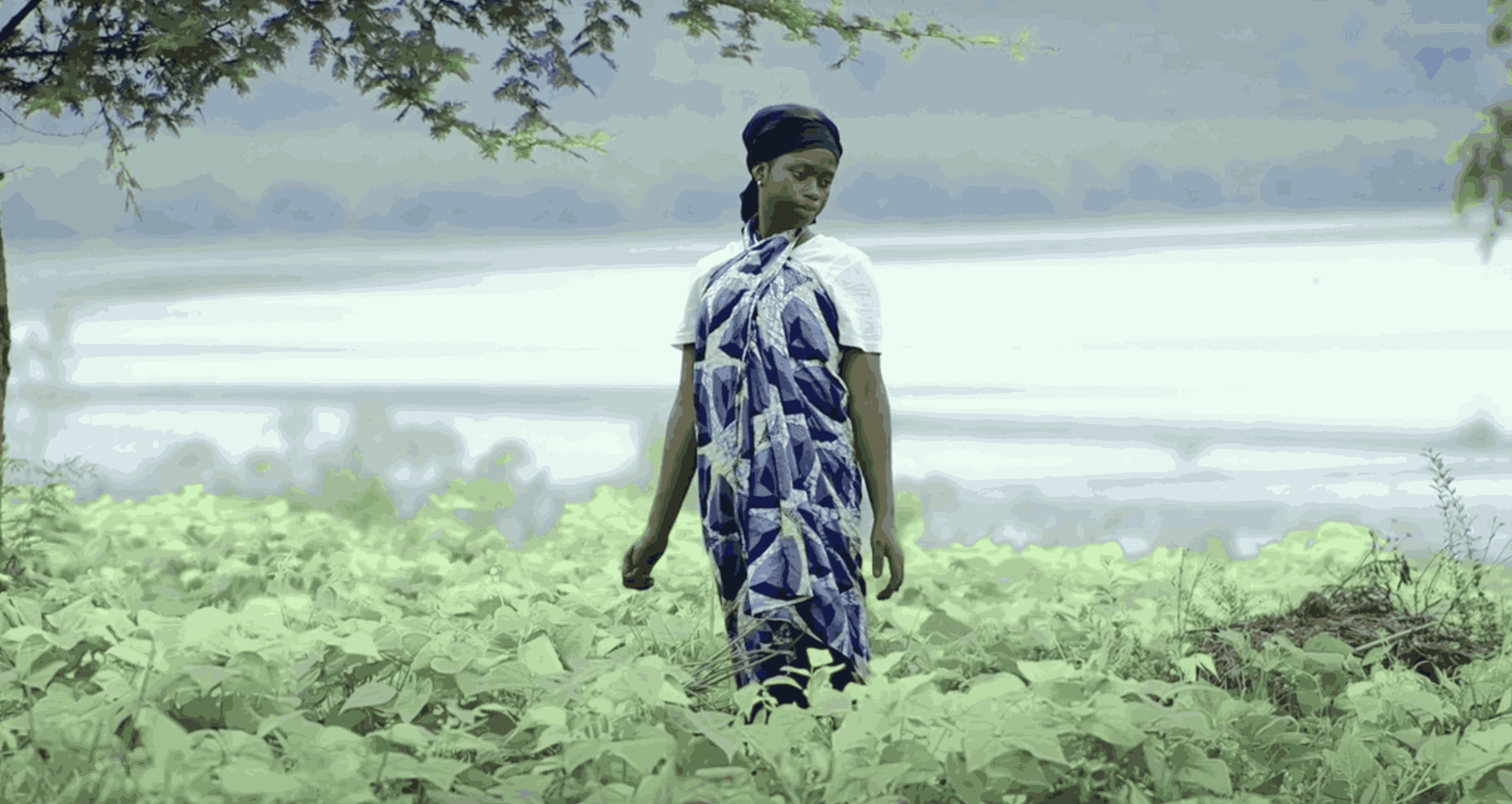
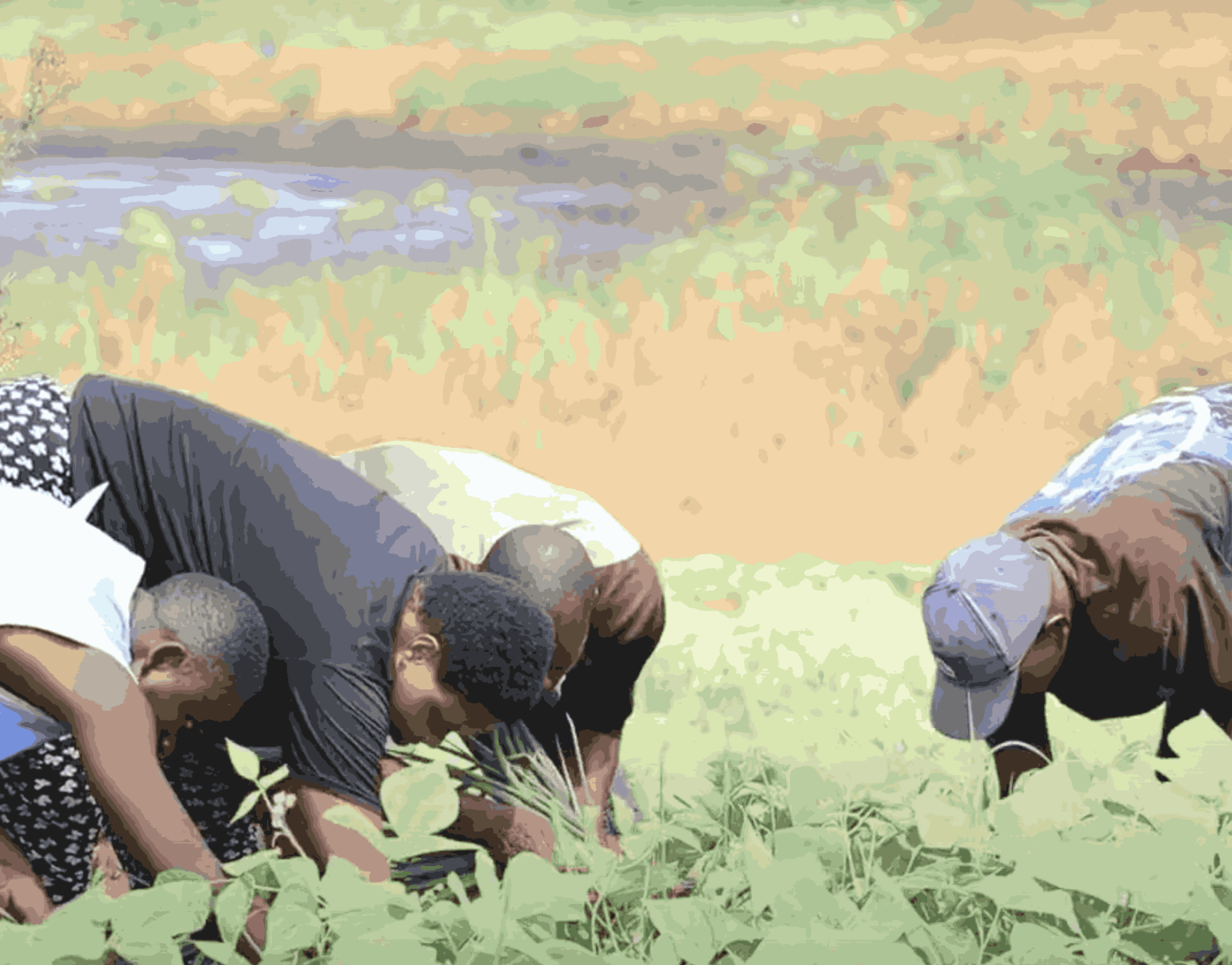
At UNIDOS, they work with refugees and host communities to regenerate the land, recycle organic waste, and create dignified livelihoods. Ⓒ UNIDOS


Contact & More Information:
Miriam Farsi – Generation Restoration
📧 miriam.farsi@genr.world | 🌍 www.genr.world
📁 Project Documents & Pitch Deck available upon request