Deutsch
Poverty reduction & climate protection:
Not a contradiction, but
an inseparable unity
We are currently witnessing fierce battles over funding: ‘Should money be spent on climate protection or on people?’ some ask – a letter from Bill Gates just before the COP30 climate conference in Brazil has recently fuelled this debate. But the question is misleading. Development aid and climate protection must not be seen as competing priorities – they share a common agenda! If this connection is not better understood, the international community risks leaving the most vulnerable even further behind.
A recent article highlights how this gap between development and climate policy is widening (see, for example, the criticism of Bill Gates’ approach). Let us back this up with scientifically proven correlations – because the data clearly shows that global warming, land and soil degradation, famine, migration and poverty are closely interlinked.
Important Facts and Connections
- According to a recent report by the Food and Agriculture Organization of the United Nations (FAO), approximately 1.7 billion people live in regions where crop yields are already declining due to human-induced land degradation. (see FAOHome)
- Globally, up to 40% of the Earth’s land surface (approximately >2 billion hectares) is degraded – meaning that biological or economic productivity is reduced. (see The United Nations Office at Geneva and UNCCD)
- Soil degradation acts as a ‘Threat Amplifier’: It exacerbates resource conflicts, migration, hunger and poverty. (see UN and World Vision)
- According to the Intergovernmental Panel on Climate Change (IPCC), climate change could drive an additional 32 to 132 million people into extreme poverty by 2030. (see IPCC Chapter ‘Poverty, Livelihoods and Sustainable Development’ and Prevention Web)
- The UN report ‘Climate change threatens progress across sustainable development’ also points out that global hunger and development progress are being undermined by climate risks. (to the UN report)
- Those who focus only on ‘development aid’ without incorporating climate risks run the risk of supporting measures that are undermined by deteriorating environmental and climate conditions.
- Those who focus only on ‘climate protection’ without addressing poverty and inequality miss the opportunity to build social resilience – and risk not including the pressing needs of people on the ground.
- Instead of competition between goals, synergy potential emerges: If we restore degraded soils, for example, we create better agricultural yields and more carbon sequestration. If we empower people to operate in a climate-resilient manner, we strengthen both income and climate adaptation.
Our Demand at Generation Restoration
- Holistic programs: Development and climate financing must be conceived as integrated strategies – addressing poverty and climate risks together.
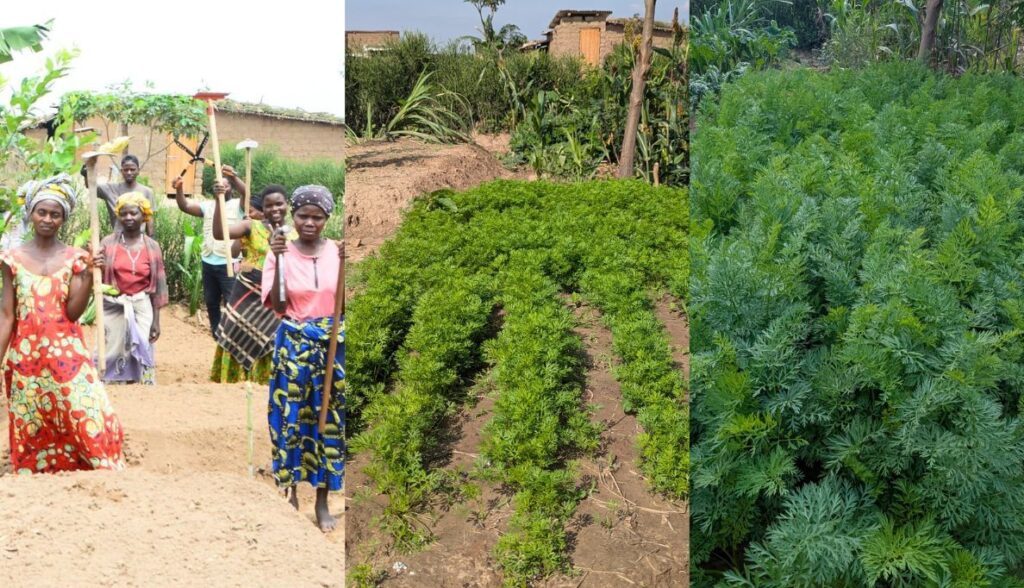
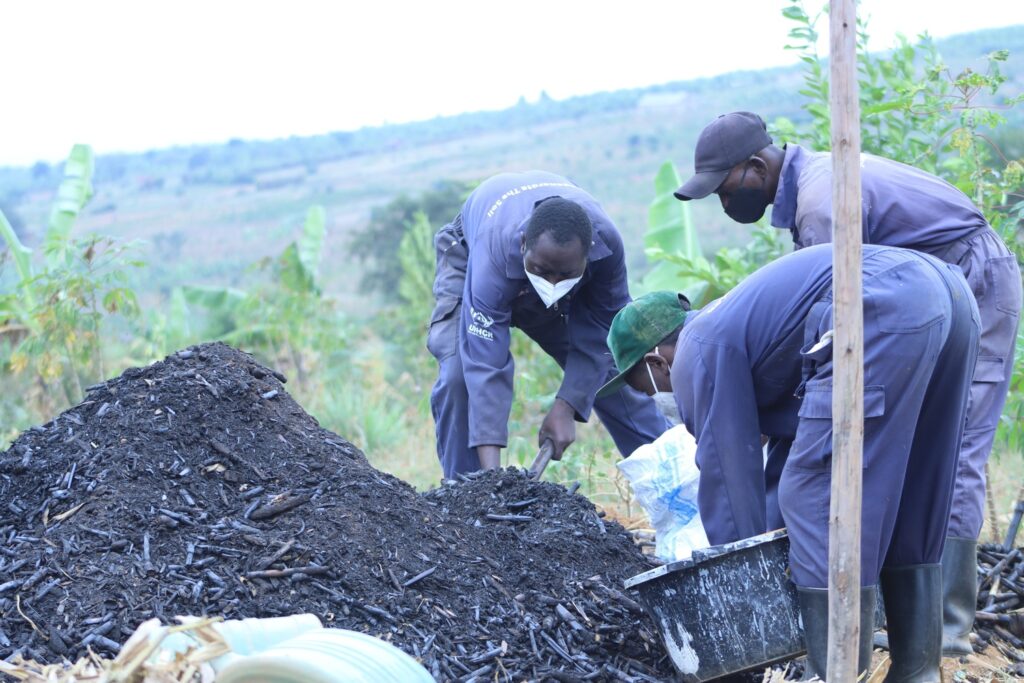
- Locally anchored solutions: Measures such as soil regeneration, sustainable agriculture, agroforestry systems and climate protection must be directly tailored to the most vulnerable communities and developed together with them.
- Partnerships instead of silos: Donors of development and climate financing (public and private) must plan together and pool resources – so that effects are amplified.
- Monitoring & impact measurement: We need clear indicators that capture both social (e.g., income increase, food security) and ecological (e.g., soil quality, CO₂ sequestration) dimensions.
Leave no one behind
If we truly want to fulfill the promise of the 2030 Agenda to leave no one behind (SDG 1 & 2 & 13 together), then we can no longer think of development aid and climate protection as separate worlds. They belong together. Those who live in poverty today will be even more vulnerable tomorrow due to the climate crisis. Those who ignore the climate crisis undermine development opportunities for billions of people.
Let us therefore find ways to act together – across generations, fairly and effectively.