Deutsch
Upcoming Project
Food Forest: A Circular System to Restore Land and Nourish Communities
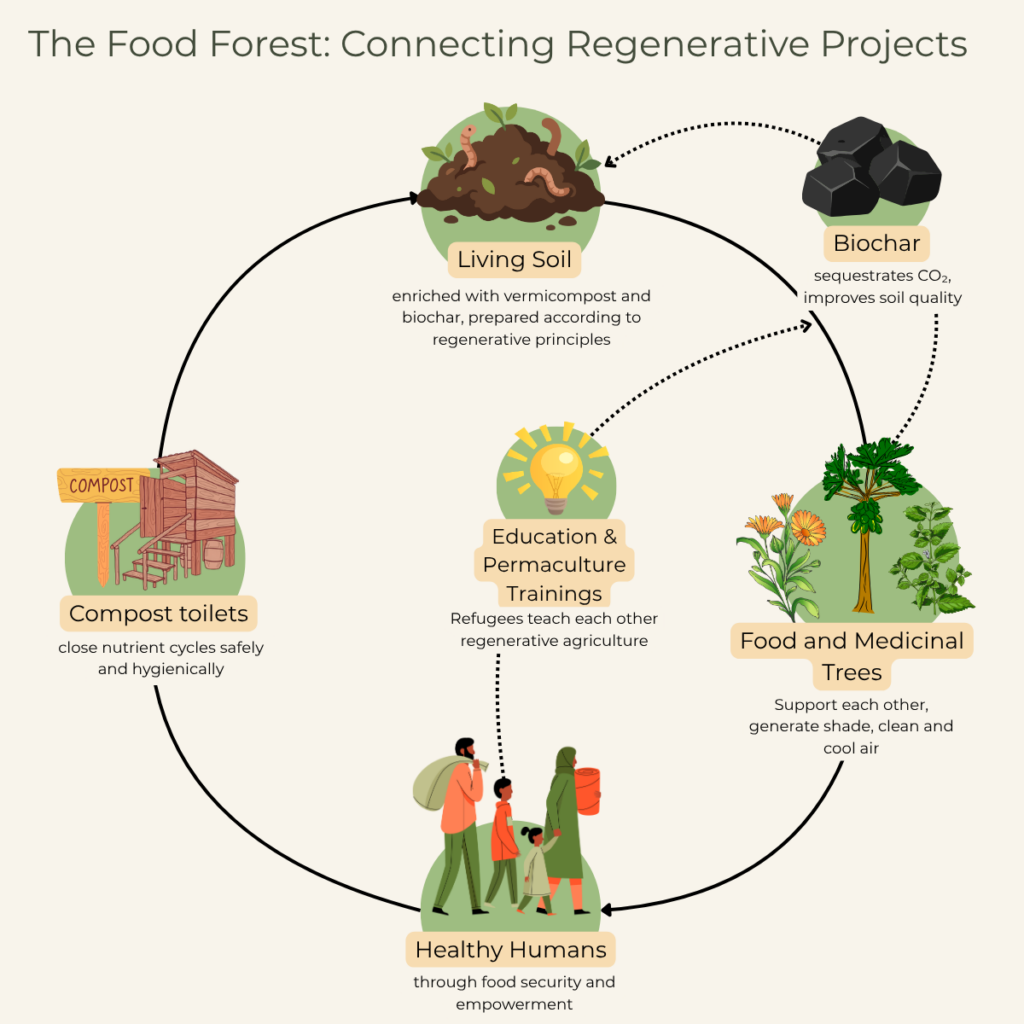
At Generation Restoration, we believe in regenerative, circular solutions. So what if we introduced a project that connects and integrates all of our current initiatives into one restorative cycle? This is what we are doing with the Food Forest Project.
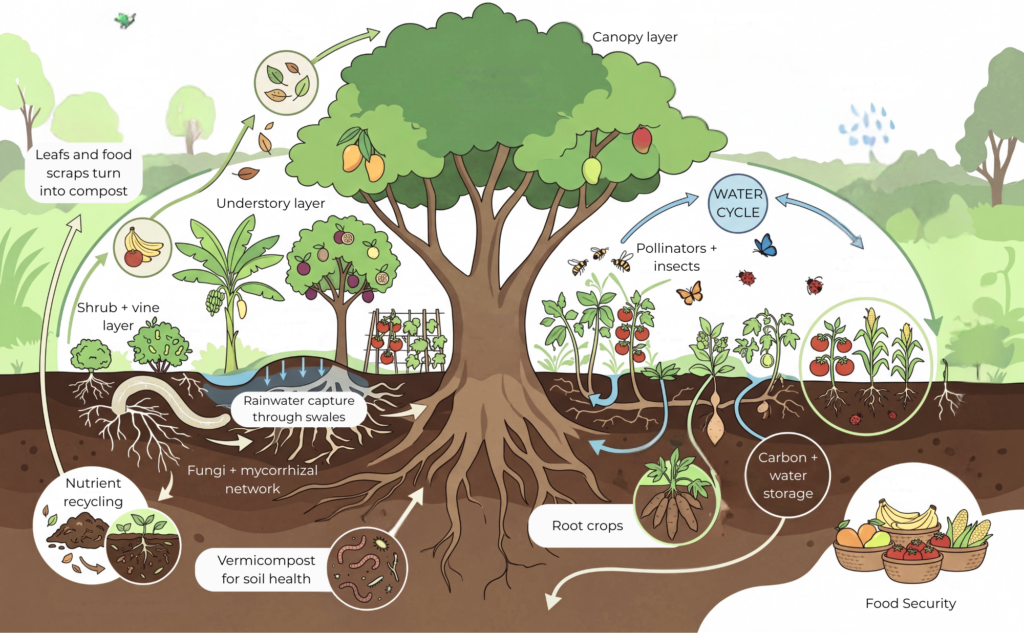
A food forest is designed to function like a natural forest, with different plant layers, worms, insects and fungi supporting each other naturally to create a resilient, self-sustaining, productive ecosystem. The food forest aims to improve food security, restore degraded landscapes, strengthen climate resilience, and create sustainable livelihood opportunities. It is being implemented by our partner UNIDOS in the Nakivale Refugee Settlement, Uganda.
You can help turn this vision into reality: The Food Forest Project depends on your financial support and strategic partnerships.
What is a food forest?
A food forest is a farming system that is designed to work like a natural forest. It combines fruit trees, vegetables, shrubs, and other useful plants that grow together, improving soil health, conserving water, and supporting biodiversity. This approach helps communities produce healthy food, restore degraded land, and become more resilient to climate change while reducing the need for costly agricultural inputs.
The Project Plan
The Food Forest Project is being implemented in the Nakivale Refugee Settlement in southwestern Uganda, beginning with a 15 acre demonstration site, with the potential to extend to 215 acres.
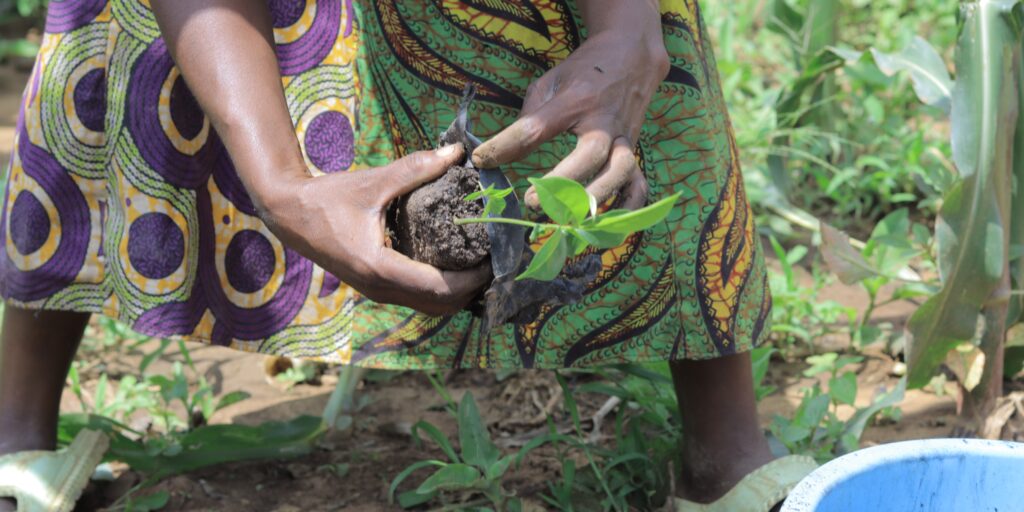
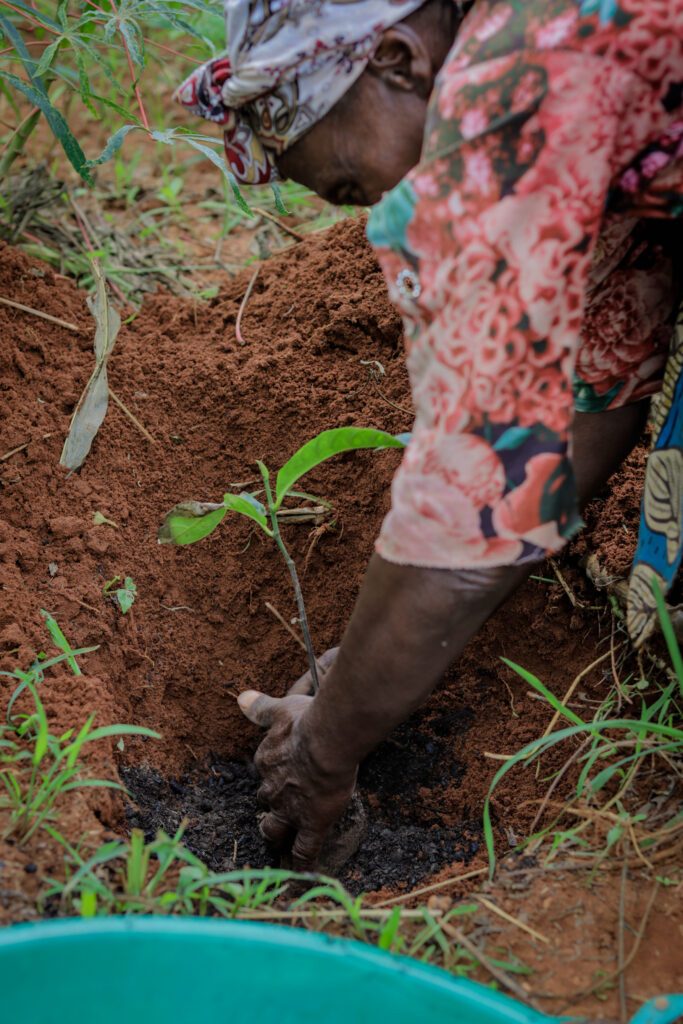
Key activities include establishing tree nurseries, producing and distributing seedlings, applying biochar, compost and vermicompost to improve soil health and providing training on sustainable land and water management practices.
Environmental and humanitarian challenges are interconnected.
Our goal for this project is essentially to address the interconnected challenges of food insecurity, land degradation, climate change, and limited livelihood opportunities faced by refugee and host communities in Nakivale, Uganda. By restoring degraded landscapes through regenerative agroforestry, improving soil health, and strengthening local food systems.
A Full-Circle Moment: Integrating Our Existing Projects
GenR projects like biochar and composting toilets transform waste material to nourish the soil and strengthen the system from the ground up. Education on regenerative agriculture enables refugees to become stewards of this living cycle and reap its benefits. It’s all connected!
Who's behind the Project
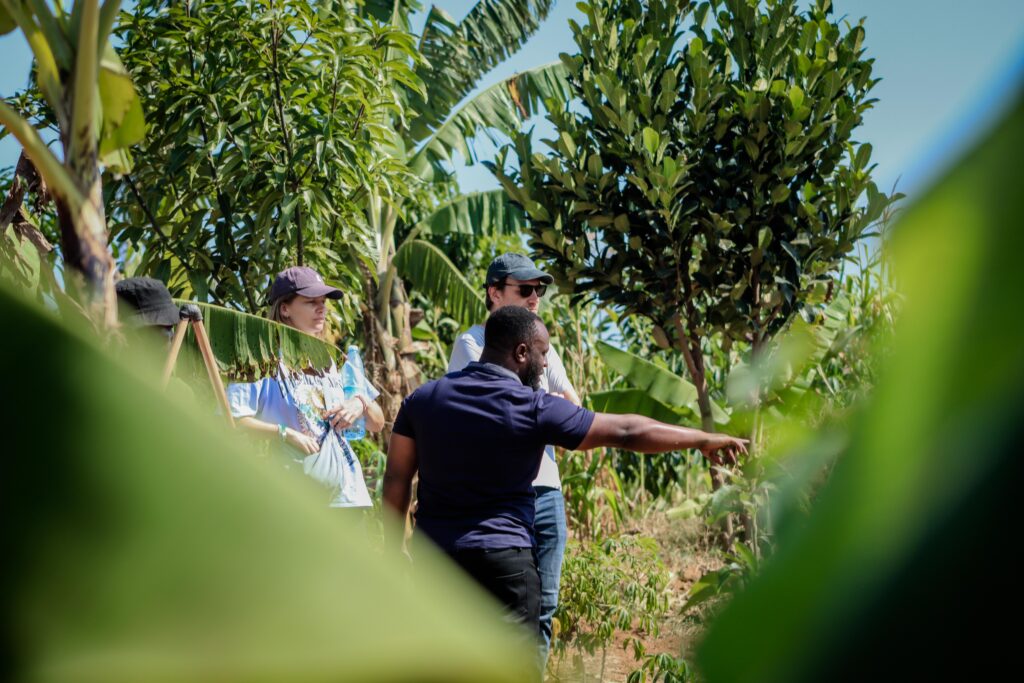
The Project is a collaborative initiative between the UNIDOS team in Nakivale Refugee Settlement, led by Paulinho Muzaliwa, and Generation Restoration. The idea grew from a shared vision to tackle food insecurity, land degradation, and climate change through regenerative agriculture, creating sustainable livelihoods and strengthening resilience for refugee and host communities.
The Next Steps: We Need You!
Help us turn our plans into reality through financial contributions or by connecting us with potential donors and partners. Your support will enable us to move toward the implementation phase, restore degraded land, strengthen food security, and build lasting climate resilience for refugee and host communities in Nakivale. Every partnership and contribution brings us one step closer to creating a more sustainable future.