Doughnut Economics: A Framework for Just and Regenerative Economic Thinking
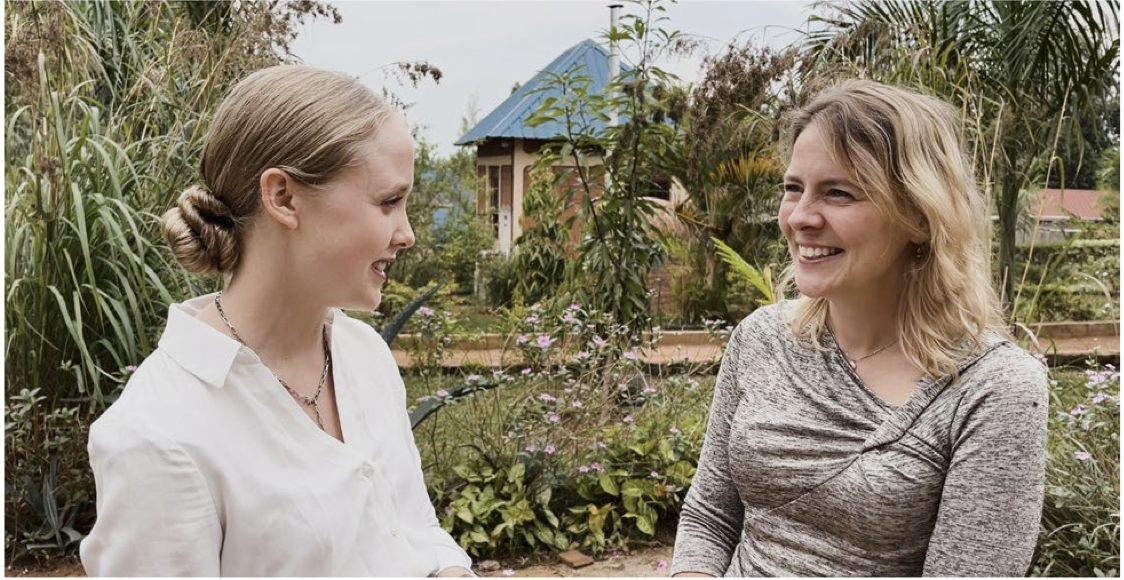
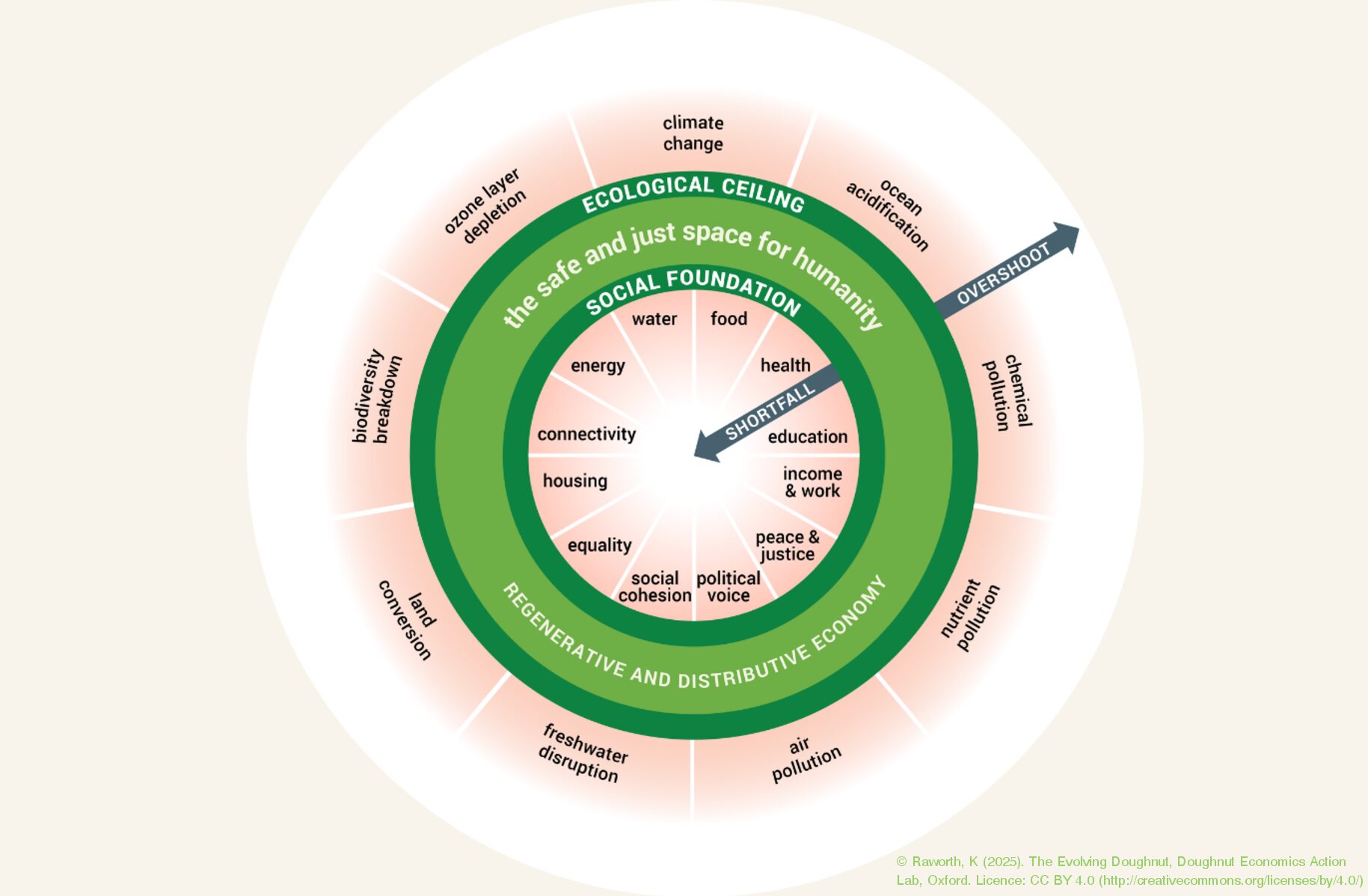
An article by GenR member Fenia Gropp What would an economic system look like that neither overburdens people nor nature, but instead achieves balance between them?
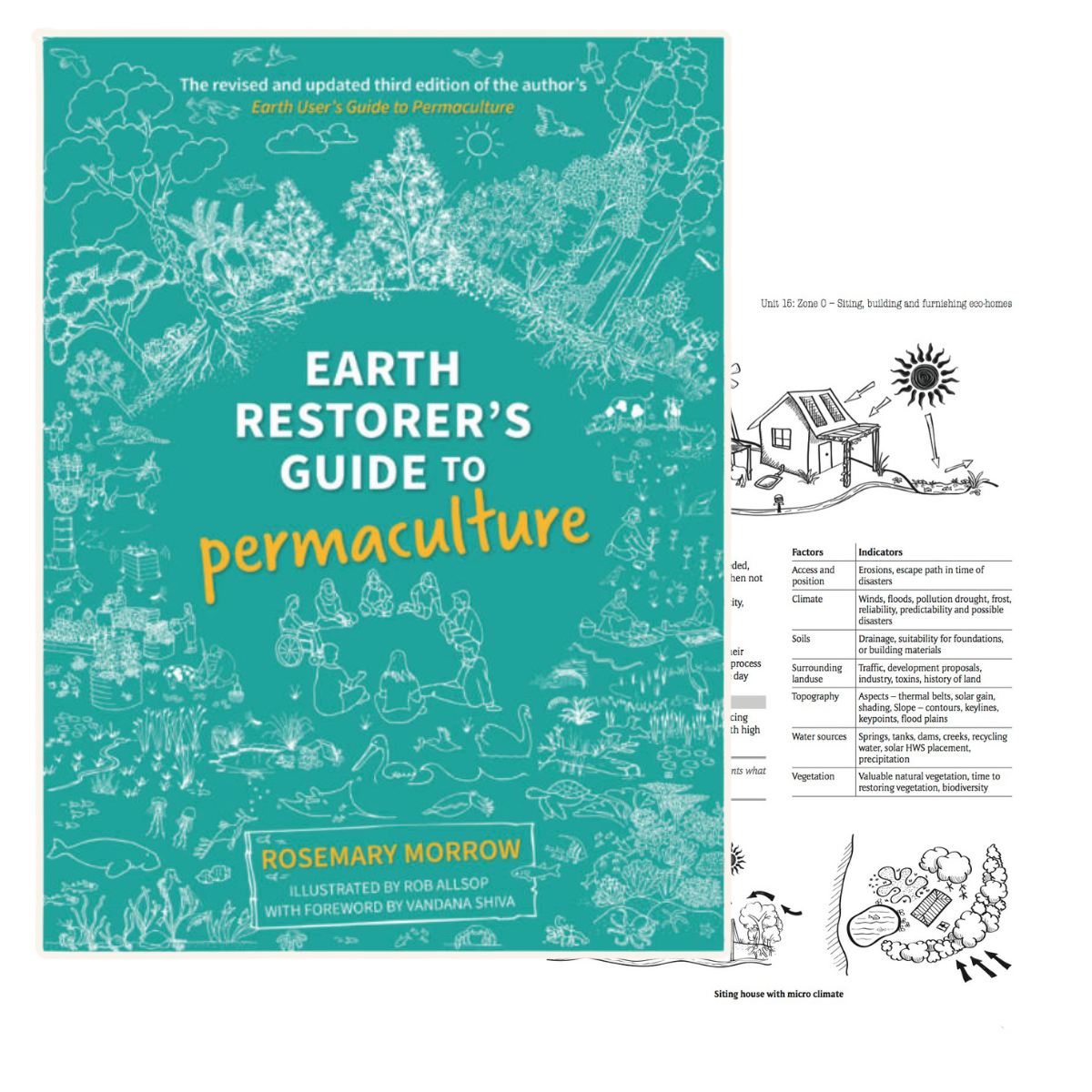
If you care about regenerative action, ecological restoration, and real-world solutions that bridge environmental and social challenges, then Earth Restorer’s Guide to Permaculture by Rosemary Morrow is an essential read that inspires much of our work.
Masoka Nutrition for Development (MANUD) is a refugee-led grassroots organization based in Nakivale Refugee Settlement, Uganda. Founded by Fazil Buffol, MANUD is dedicated to tackling childhood malnutrition, promoting inclusive education, and supporting regenerative agriculture – especially for children, women, youth, and people with disabilities. The vision: a resilient, empowered community, using local knowledge and sustainable practices to shape its own future.
We are currently witnessing fierce battles over funding: 'Should money be spent on climate protection or on people?’ some ask - a letter from Bill Gates just before the COP30 climate conference in Brazil has recently fuelled this debate. But the question is misleading. Development aid and climate protection must not be seen as competing priorities - they share a common agenda! If this connection is not better understood, the international community risks leaving the most vulnerable even further behind. A recent article highlights how this gap between development and climate policy is widening (see, for example, the criticism of Bill Gates' approach). Let us back this up with scientifically proven correlations – because the data clearly shows that global warming, land and soil degradation, famine, migration and poverty are closely interlinked.
Have you ever wondered where to stay if your home country becomes ground for conflict? Finding refuge has unsettling connotations of uneasiness, survival, and repression of one’s livelihood. Suddenly, we have realized, that conflict might not only happen on the African continent. They can happen anywhere. Hence, we all might turn refugees. Restoring dignity for those already living in settlements and starting to foresee new concepts to prevent these connotations from irreversible materialization needs exploration now. What if we transform refugee camps into places of hope?
In our contribution titled “Regenerating Economies in the Web of Life”, we explore how regenerative approaches can transform refugee camps from places of crisis into spaces of resilience and renewal. Drawing from our experience in Uganda and beyond, we outline how grassroots-led initiatives are already regenerating soil, dignity, and opportunity – even in contexts of displacement and limited infrastructure.
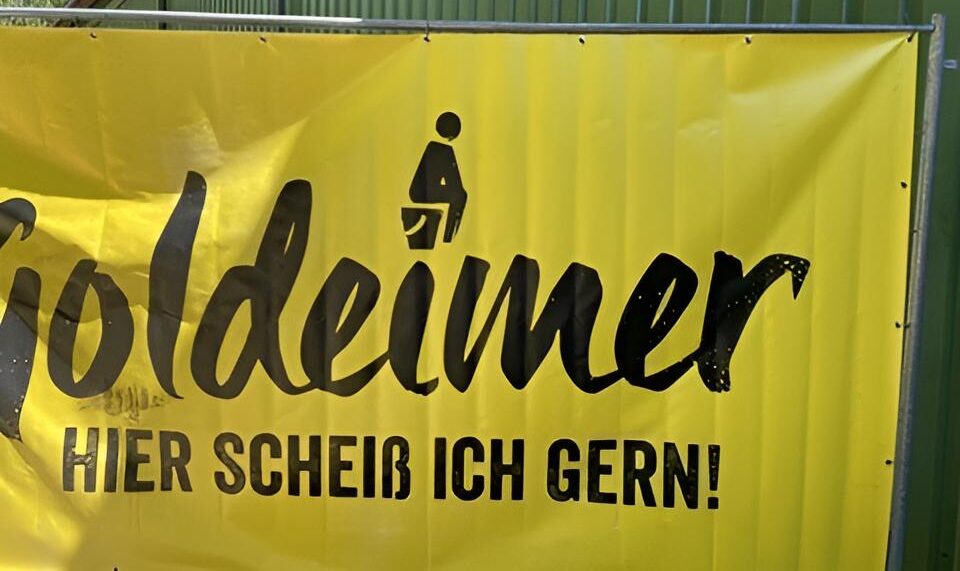
On May 9th, 2025, our GenR member Regina Kallfelz had the opportunity to visit the newly inaugurated composting facility of Goldeimer in Ollensen, Northern Germany. What she encountered was a living example of regenerative sanitation in action.
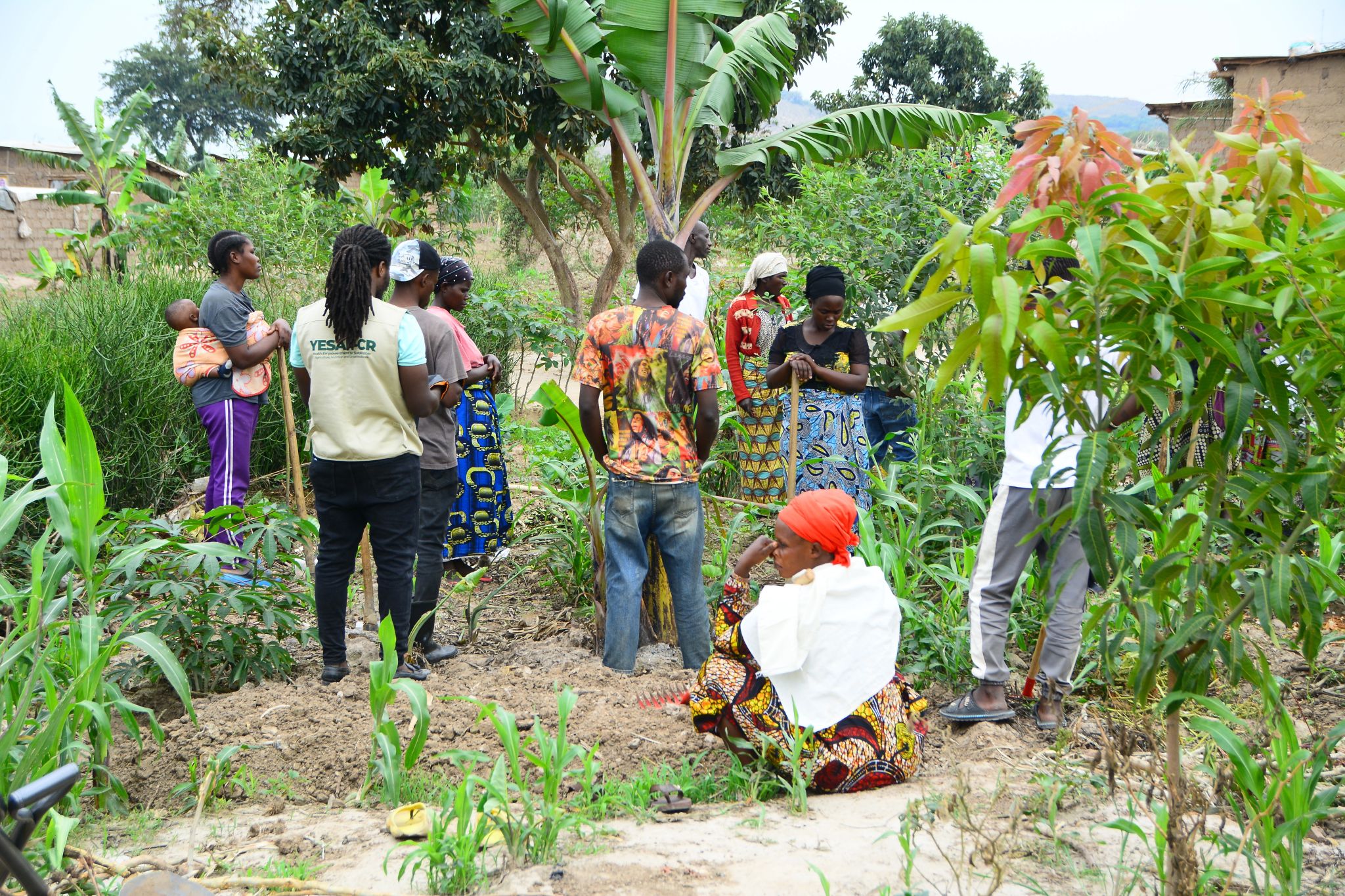
In Northern Uganda, Ghetto Research Lab and the Uganda Permaculture Consortium are turning food insecurity into resilience through agroecology and community leadership.
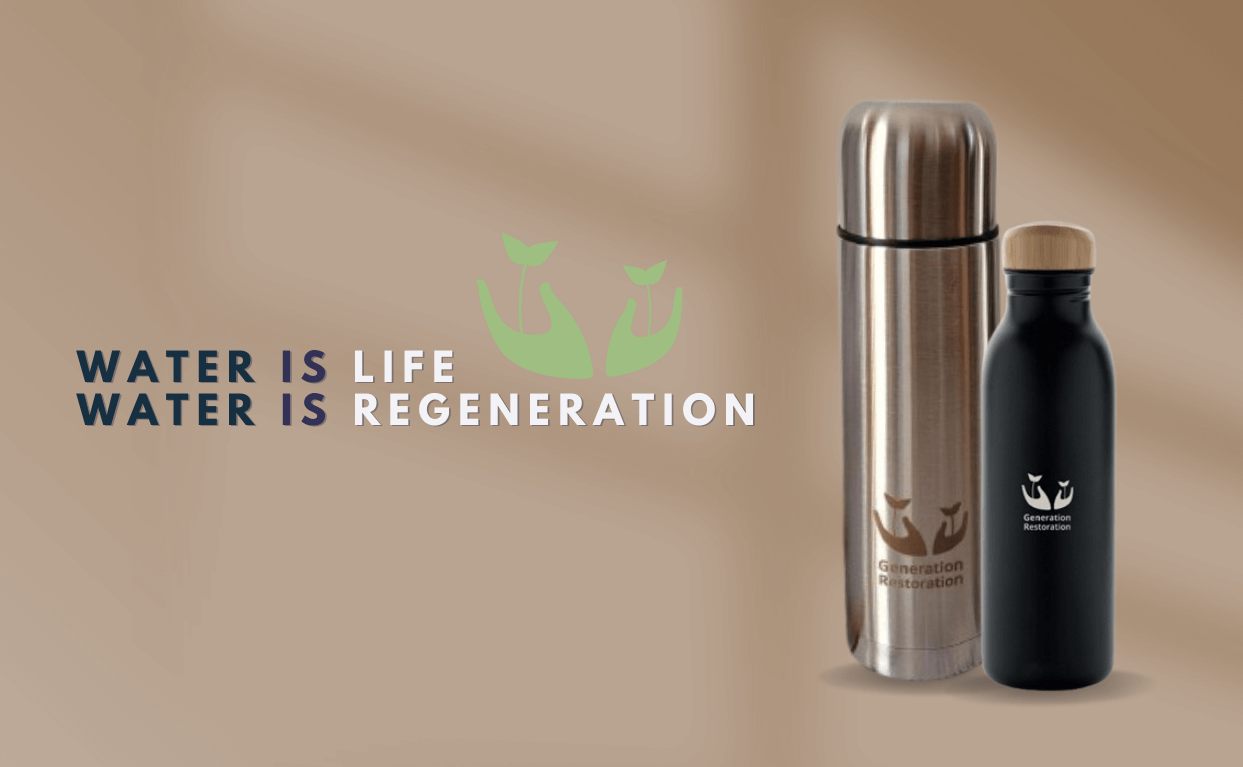
Water Is Life. Water Is Regeneration. memo Supports Regeneration with Generation Restoration e.V. Access to clean drinking water is a fundamental human right. Yet in many refugee camps, water scarcity…
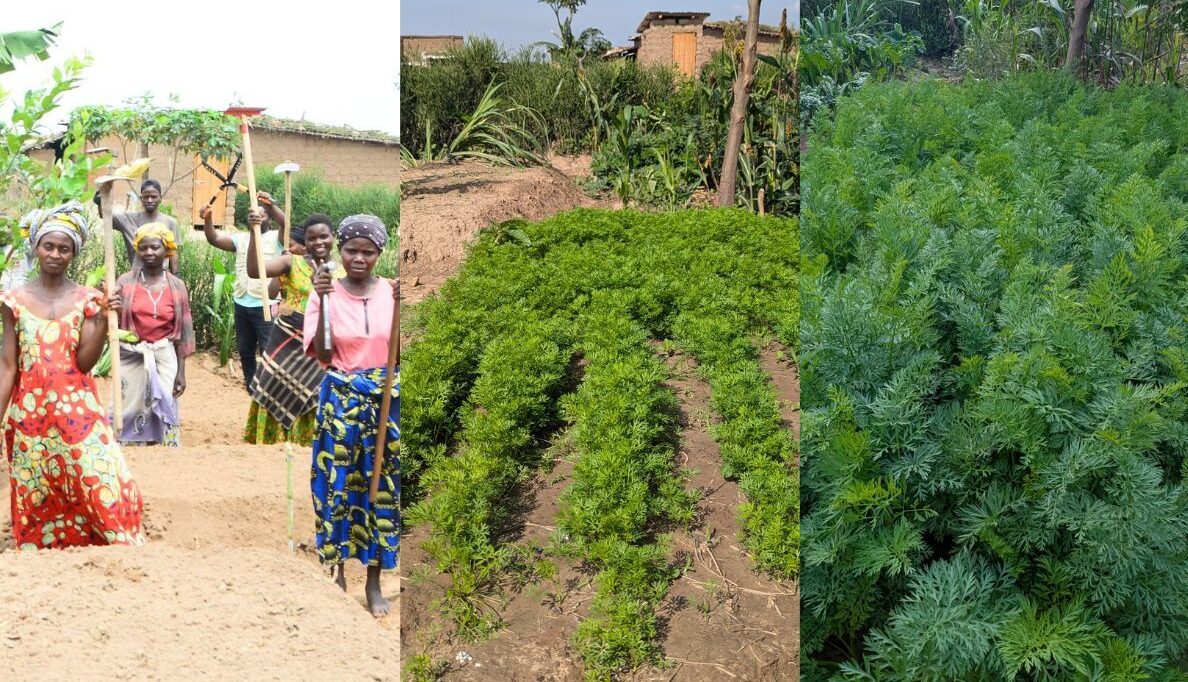
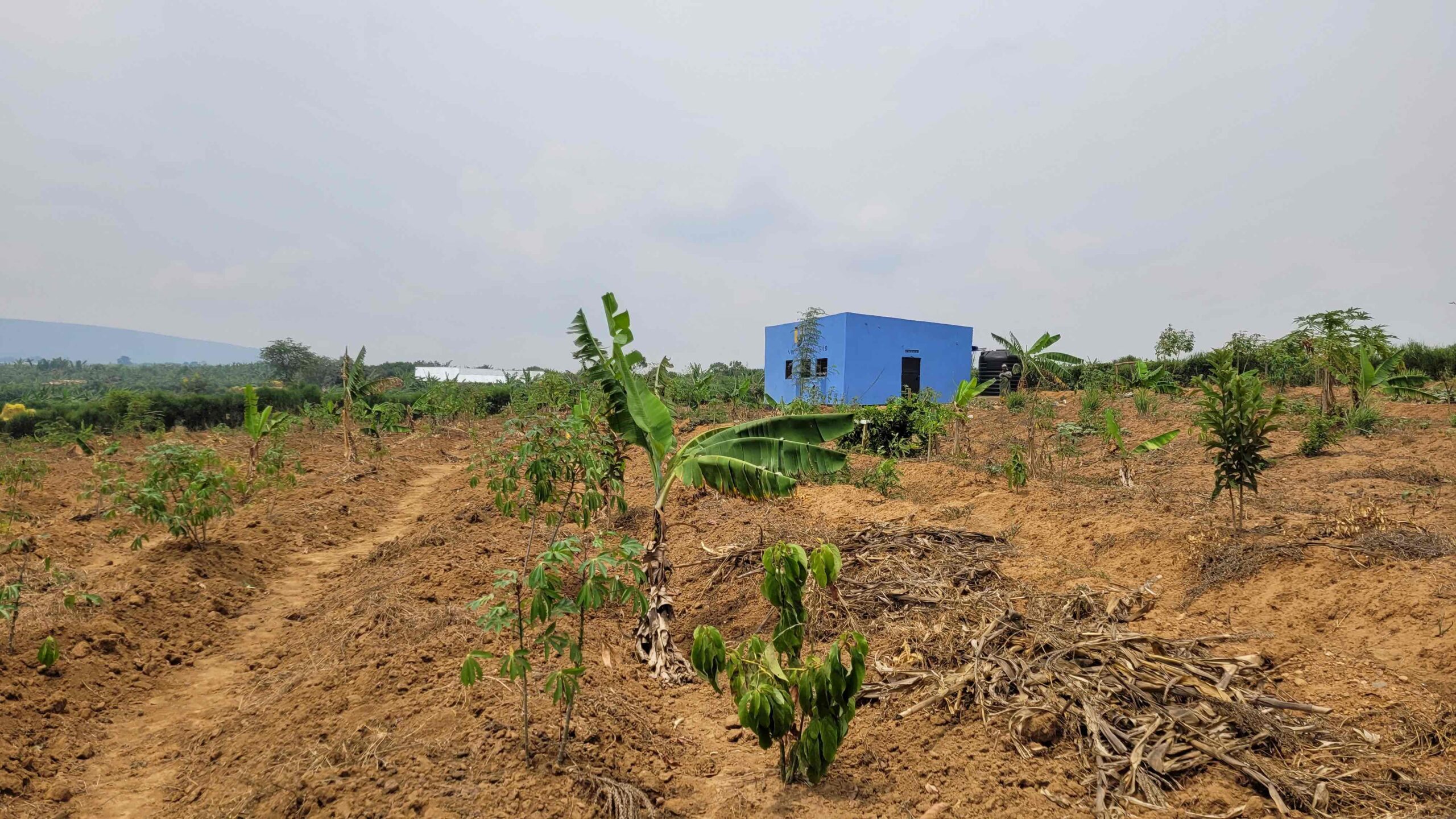
Turning refugees into change makers – that is the goal of the Unidos Social Innovation Centre. In the Nakivale Refugee Settlement in South West Uganda the refugee-led organisation aims at empowering young refugees with entrepreneurial skills. 44 % of young Nakivale refugees unemployed and underserved It is becoming increasingly important to empower refugees as external support decreases. The World Food Programme (WFP) progressively reduced food rations for refugee settlements in South-West Uganda to 40% in 2021 (compared to 2019). According to Unidos, the ongoing drought is further exacerbating the consequences by decreasing the refugees’ own harvests. That’s why the organisation’ founders decided to re-write their own story: By inclusive education and the dissemination of entrepreneurial skills they aim at establishing food security in their refugee settlement. Through the application of permaculture these determined refugees do not only regenerate soil and ecological environment but also their own lives and the community.