YICE: Youth Initiative for Community Empowerment

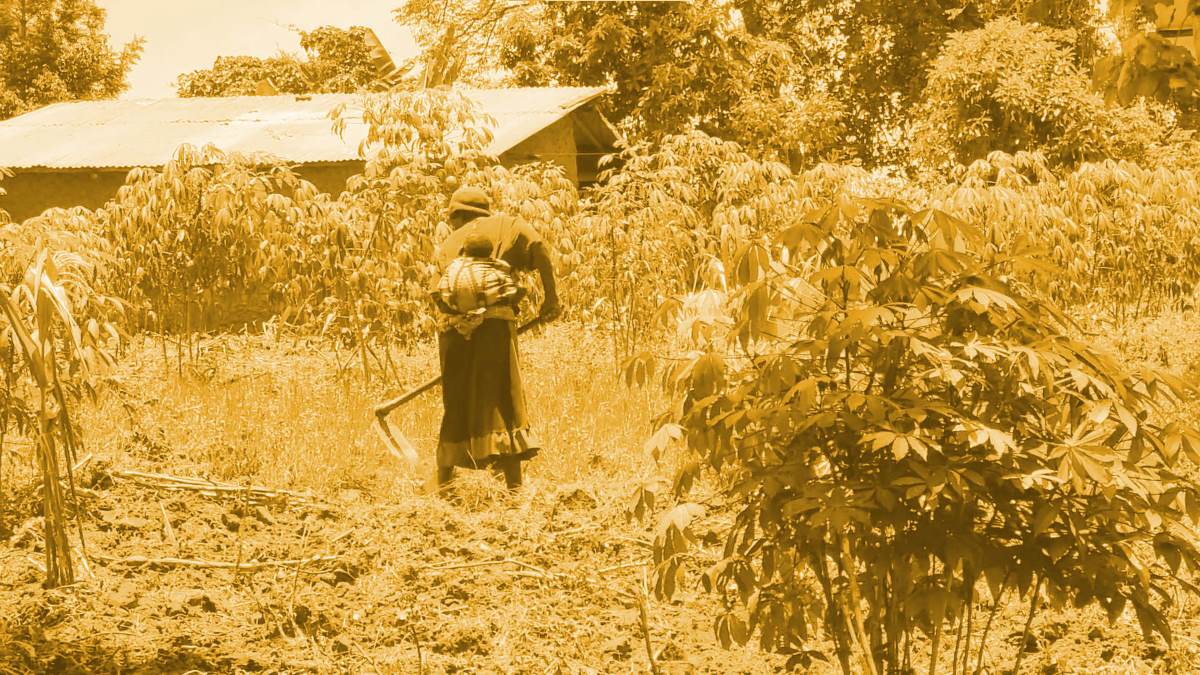
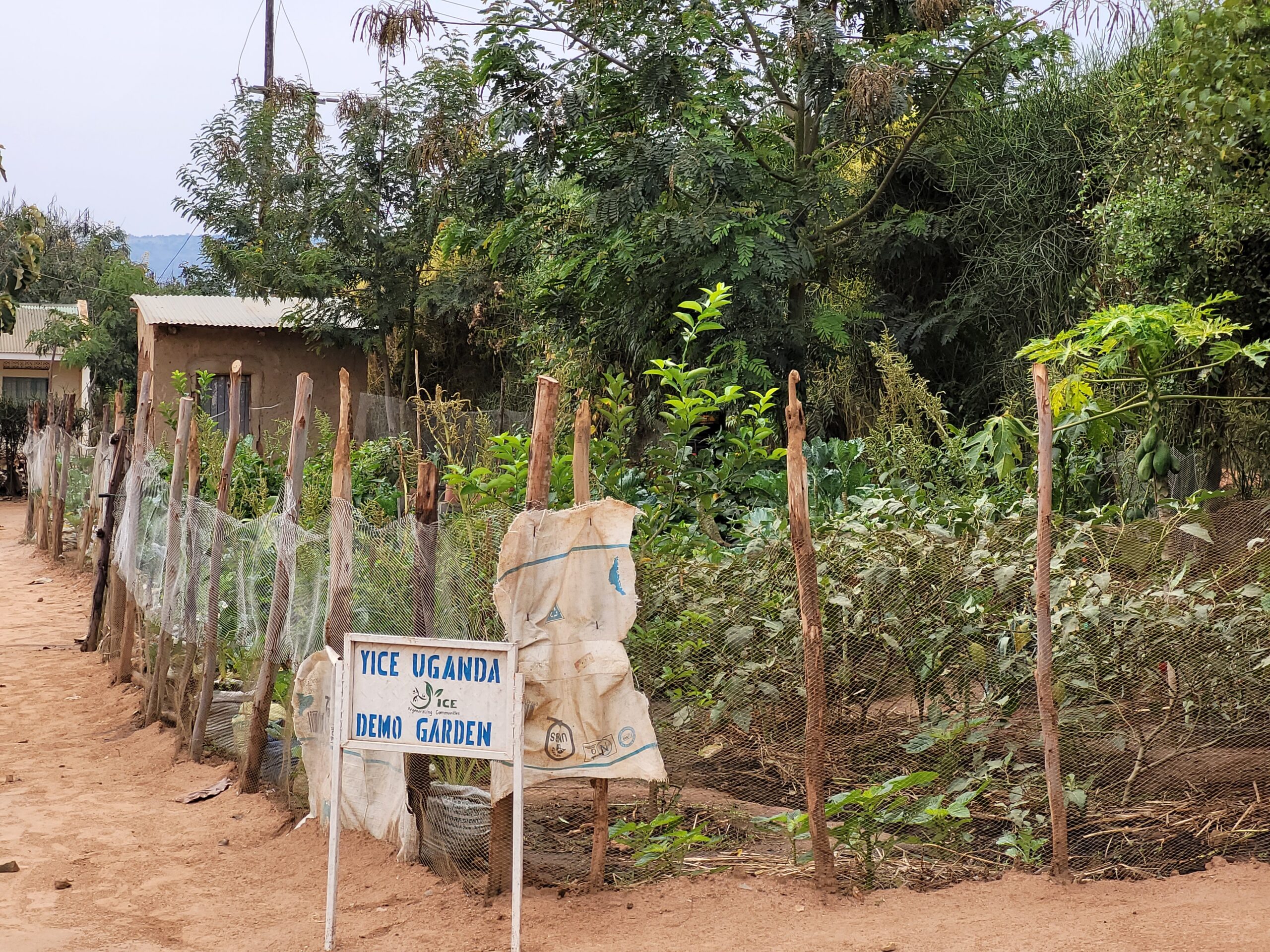
Regenerative Learning Center: YICE Uganda empowers people, conserves biodiversity, scales up sustainable solutions, and promotes collaboration. When Noah Ssempijja founded YICE in 2012, he would not have dreamed of the successes the Youth Initiative for Community Empowerment celebrates today. The organisation implements practical regenerative farming activities in rural Uganda. The team has impacted over 1,500 smallholder farmers, raising their incomes by 20-46%. Thus, the jointly saved almost 12t of CO2 with regenerative practices. Their focus target group is last mile smallholder female and young farmers, including displaced people and host communities.

0 Comments

Refugee Empowerment in Uganda through Regenerative Approaches​

How can refugees achieve food sovereignty? The team from Rwamwanja Rural Foundation is building better livelihoods with permaculture. The Rwamwanja Rural Foundation Ltd. (RRF) is a grassroot organisation in the south-west of Uganda. Bemeriki Bisimwa Dusabe, a refugee from Congo, started the organization in 2015. It is run by refugees and aims at defeating malnutrition in the settlement. By educating their neighbours about permaculture, the foundation empowers refugees to grow their own food and to take a first step in leading a self-determined life. RRF emphasises that refugees should start growing their own food – even if their garden or plot is very small, because regenerative farming practices like permaculture can get a lot out of it. Participants and team members are mainly youth and women

0 Comments

How Regenerative Business Strengthens Refugee Resilience in Camps

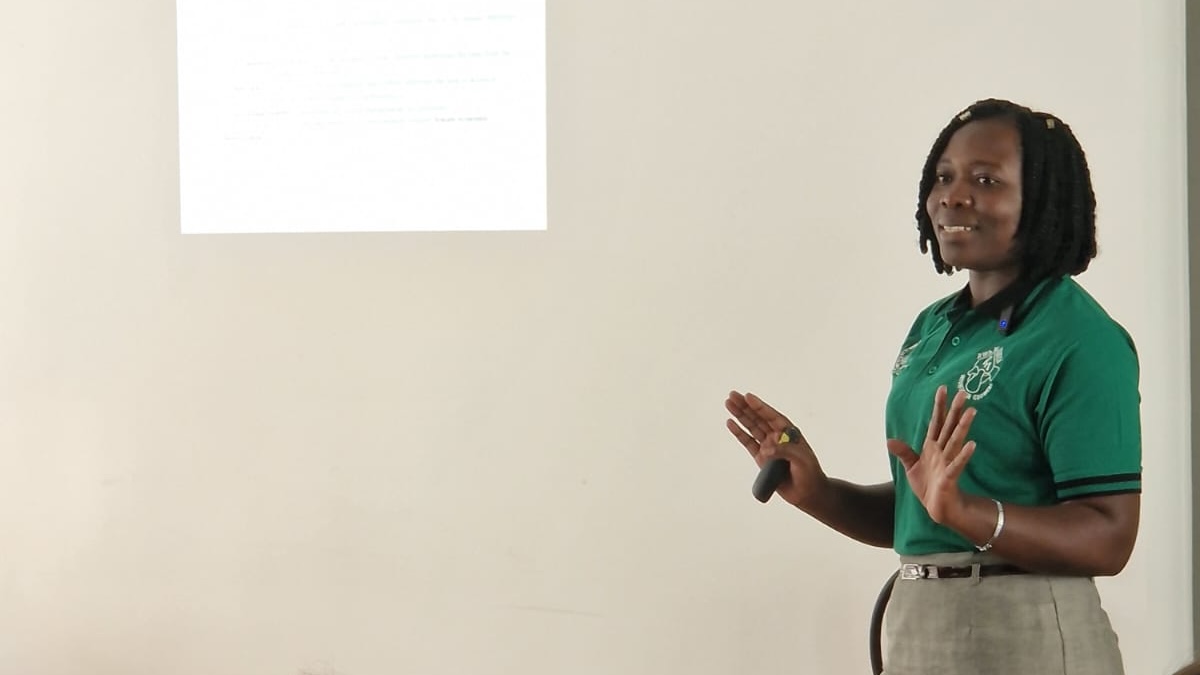
To strengthen refugee resilience, Generation Restoration organised an event on 26th May 2023 that highlighted the power of regenerative business. Regenerative solutions such as permaculture and ecosystem restoration have great potential to improve the livelihoods of millions of people worldwide. Displaced people can benefit from regenerative practices such as agroforestry, which at the same time contribute to most of the 17 United Nations Sustainable Development Goals (SDGs): For example, they reduce hunger and poverty, provide women and young people with quality education, strengthen biodiversity, store carbon in the soil and thus protect the climate, and much more. The event presented positive examples of existing knowledge and experience. At the same time, it discussed the obstacles to the widespread dissemination of these solutions.

0 Comments