MASOKA NUTRITION FOR DEVELOPMENT (MANUD)

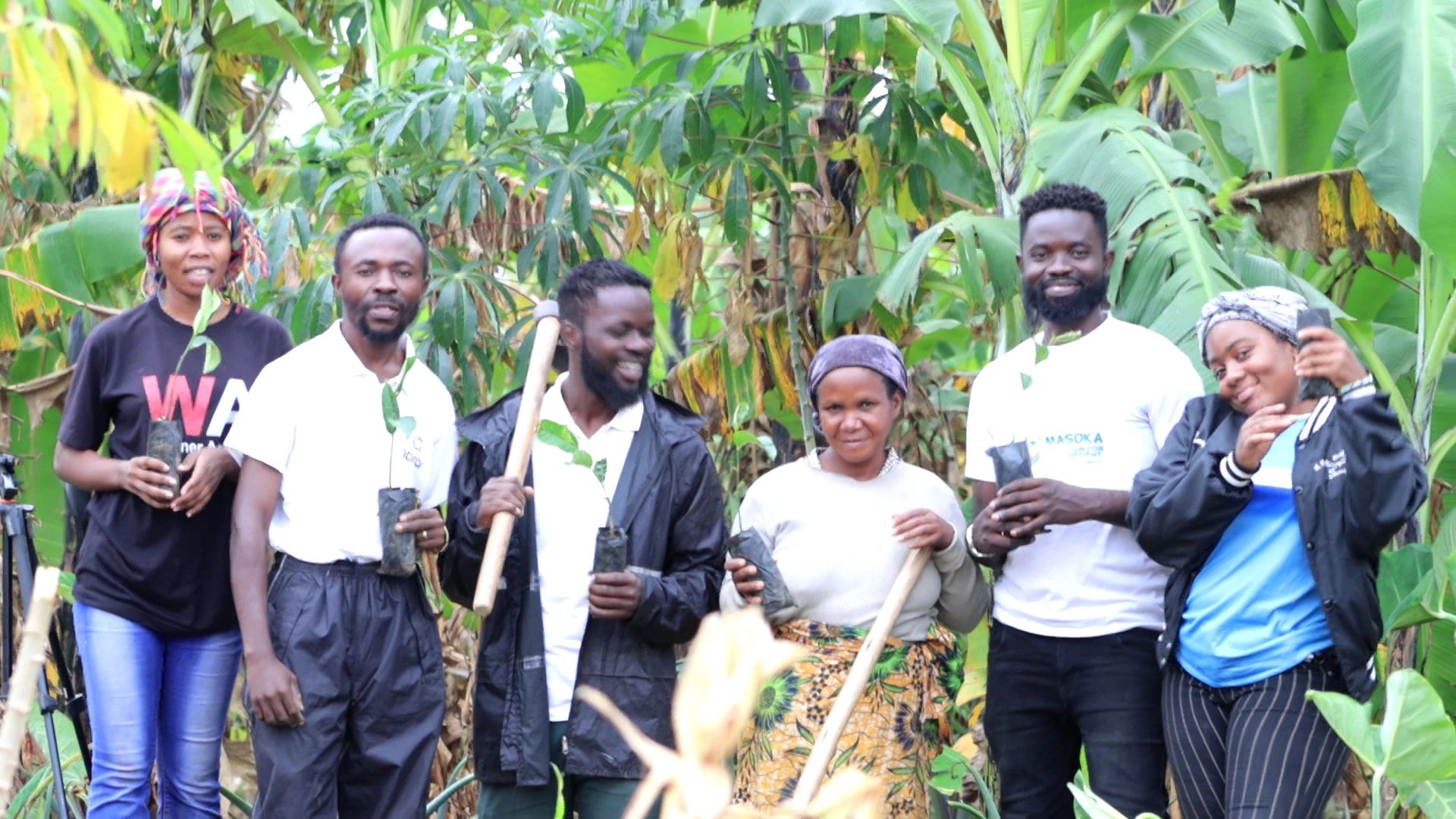
Masoka Nutrition for Development (MANUD) is a refugee-led grassroots organization based in Nakivale Refugee Settlement, Uganda. Founded by Fazil Buffol, MANUD is dedicated to tackling childhood malnutrition, promoting inclusive education, and supporting regenerative agriculture – especially for children, women, youth, and people with disabilities. The vision: a resilient, empowered community, using local knowledge and sustainable practices to shape its own future.

Comments Off on MASOKA NUTRITION FOR DEVELOPMENT (MANUD)

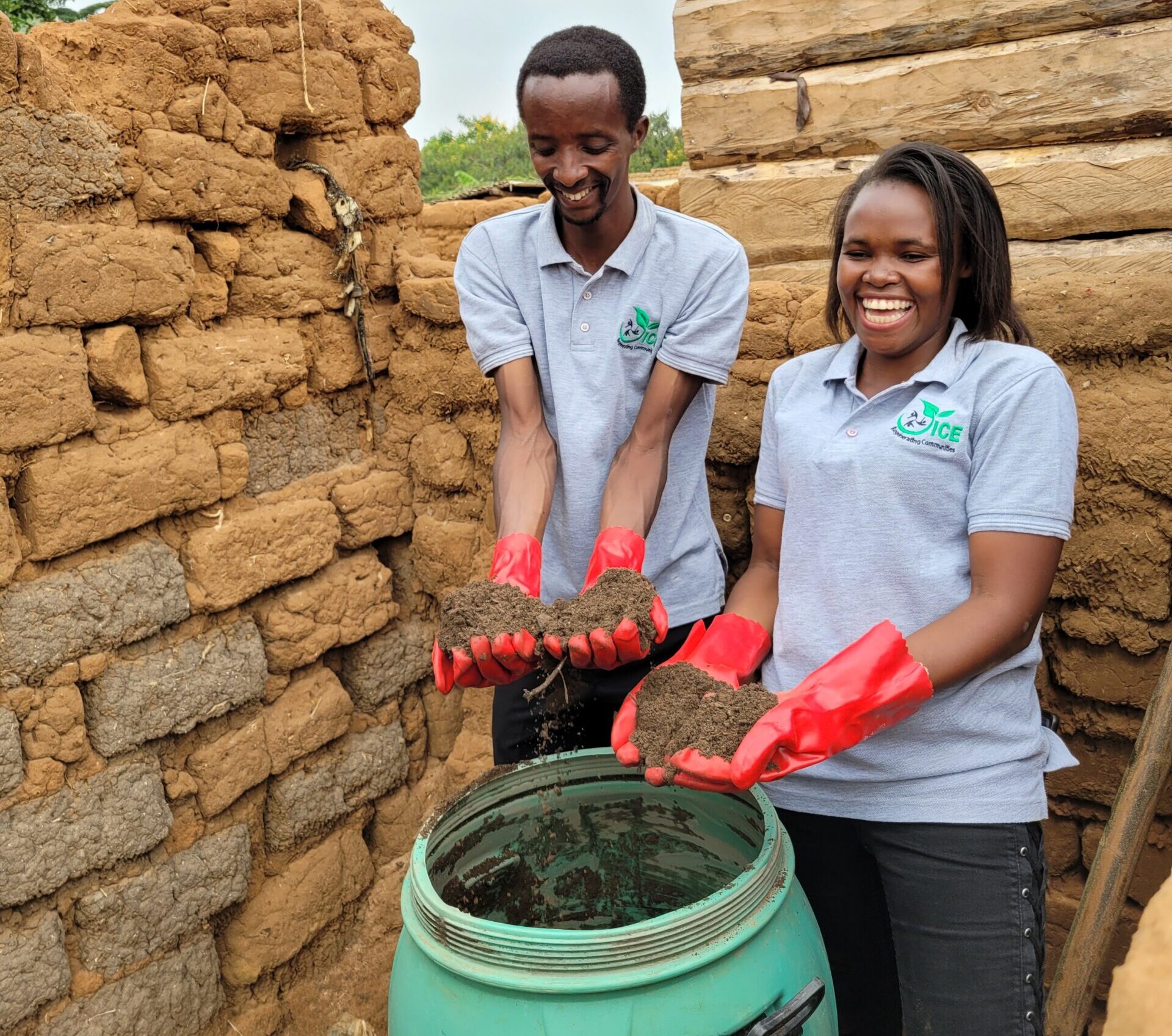
Composting Toilets for Refugee Resilience: Regenerative Sanitation in Nakivale Camp

Nakivale Refugee Camp in Uganda is facing an escalating humanitarian crisis. More than 100,000 people continue to flee violence in eastern Congo—arriving to a camp where infrastructure is already stretched beyond its limits. Inadequate sanitation puts thousands at daily risk of waterborne diseases, environmental pollution, and the long-term deterioration of living conditions. This situation reflects a global crisis: unsafe sanitation causes the deaths of 800 children every day—mostly from preventable diarrheal diseases. By 2030, nearly 3 billion people may live without access to proper toilets. In camps like Nakivale, these numbers are not just statistics—they are daily realities. But solutions exist: regenerative, affordable, and immediately effective.

0 Comments

How Regenerative Business Strengthens Refugee Resilience in Camps

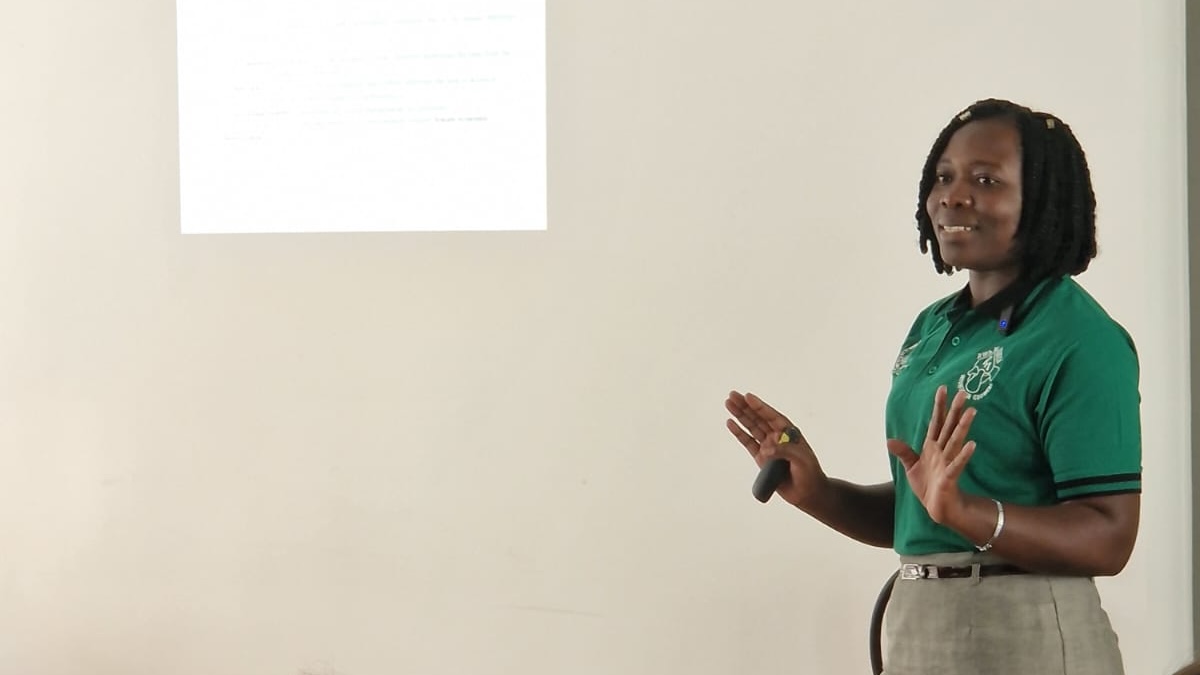
To strengthen refugee resilience, Generation Restoration organised an event on 26th May 2023 that highlighted the power of regenerative business. Regenerative solutions such as permaculture and ecosystem restoration have great potential to improve the livelihoods of millions of people worldwide. Displaced people can benefit from regenerative practices such as agroforestry, which at the same time contribute to most of the 17 United Nations Sustainable Development Goals (SDGs): For example, they reduce hunger and poverty, provide women and young people with quality education, strengthen biodiversity, store carbon in the soil and thus protect the climate, and much more. The event presented positive examples of existing knowledge and experience. At the same time, it discussed the obstacles to the widespread dissemination of these solutions.

0 Comments